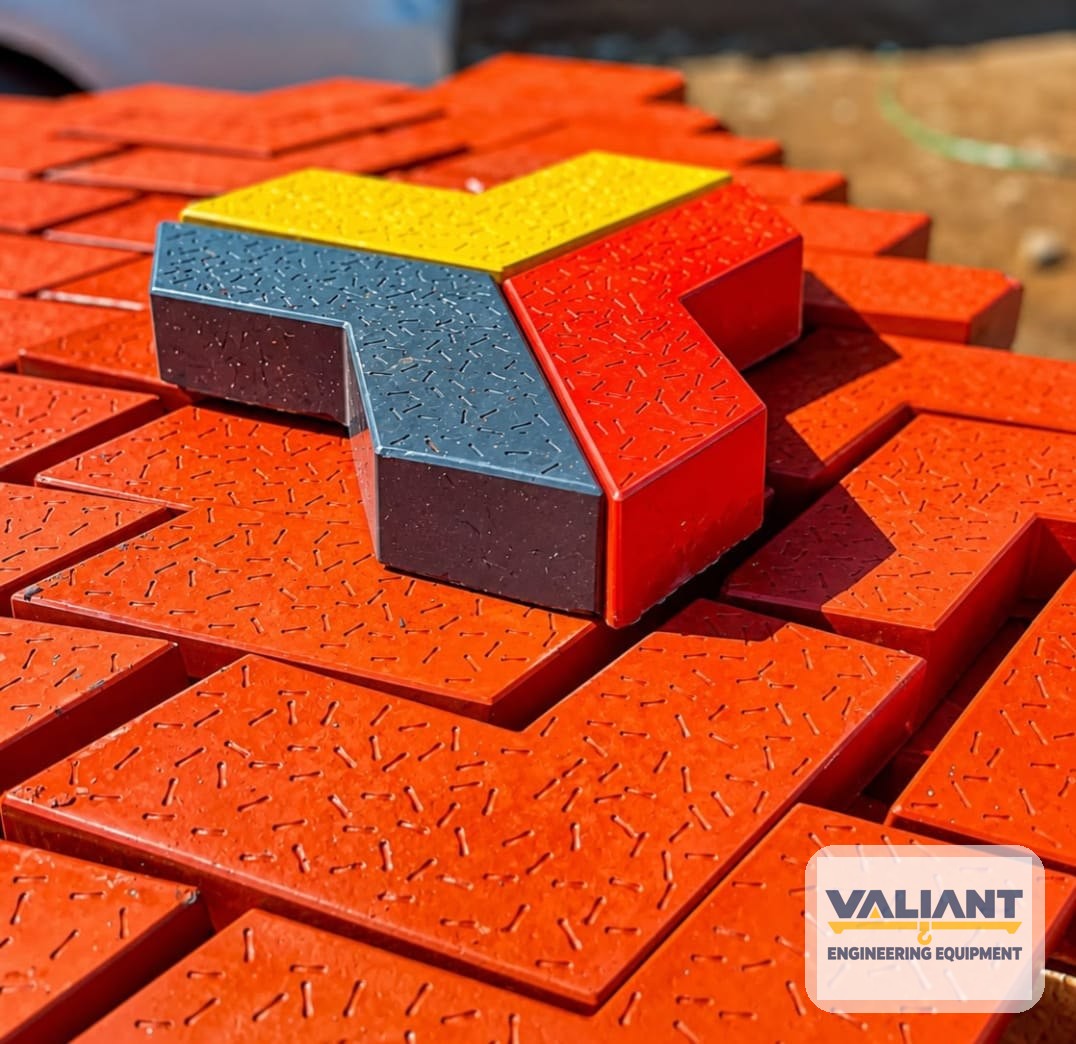
Cabro — the interlocking concrete paving blocks used on driveways, parking yards, walkways and estate roads — is one of the most common precast products in Kenya. You do not need a large factory to start making it. With a set of moulds, a way to mix concrete properly, a vibrating table and some shaded space for curing, a small team can begin producing for local customers and grow from there. This guide explains the equipment you need, what each piece does and what it costs from our current catalogue.
1. Decide how you will produce
There are two common ways to make cabro:
- Moulds and a vibrating table. Concrete is placed in individual plastic or rubber moulds, vibrated to remove air, then left to set before the blocks are taken out. The start-up cost is low and you can add moulds as orders grow, which is why many small yards begin this way.
- A cabro machine. A machine compacts and vibrates the concrete in a steel mould and releases the blocks straight away. The Manual Cabro Making Machine (KES 180,000) is the lower-cost option, while the Cabro Making Machine (KES 1,400,000) and the QTJ4-40 Paving Block Making Machine (Semi-Automatic) (KES 1,500,000) suit larger, steady production.
2. Cabro moulds
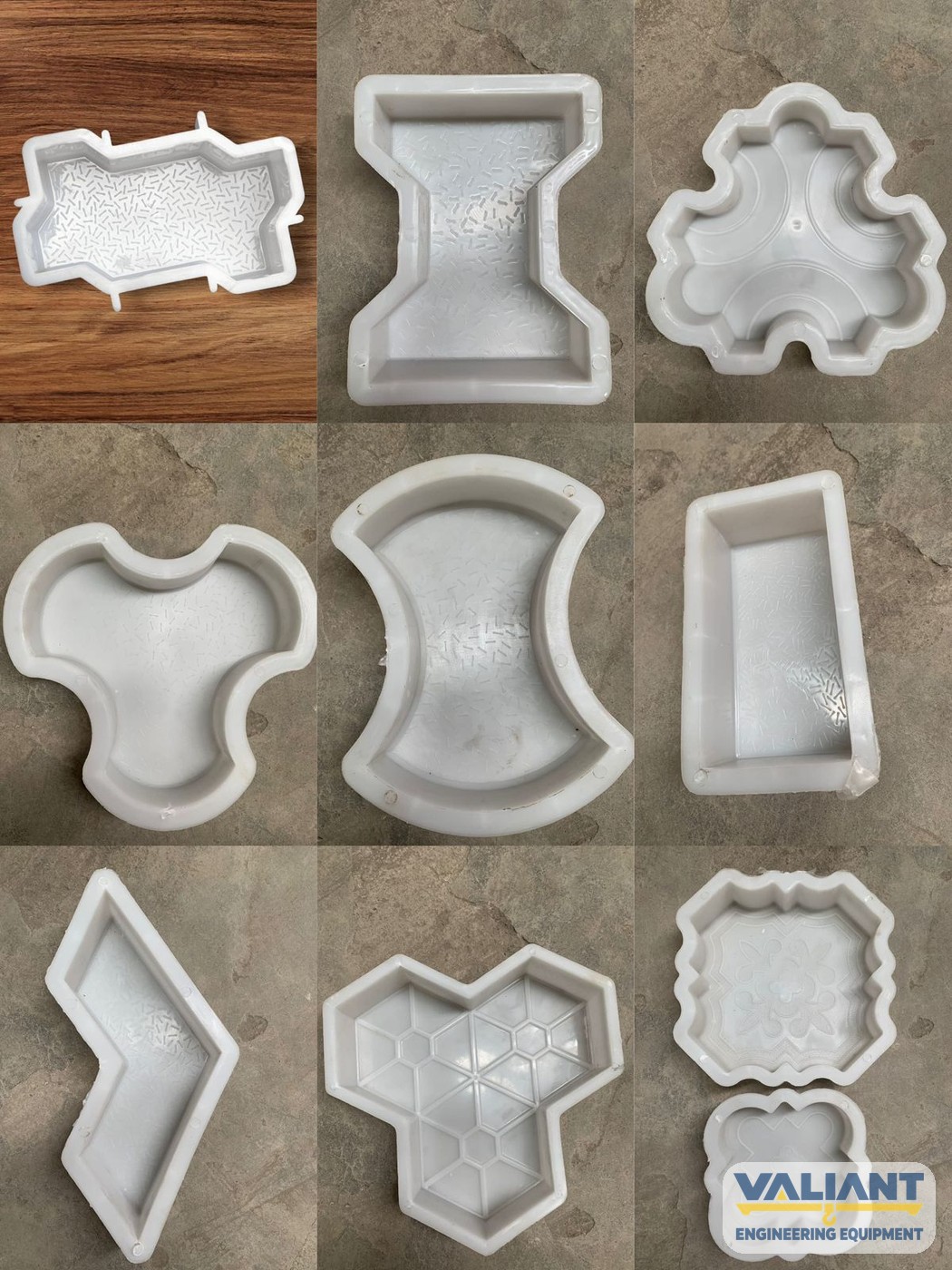
Moulds give each block its shape, and customers often ask for a particular pattern, so it helps to offer more than one. We stock plastic moulds in four shapes — Zigzag (KES 800 per mould), Trihex (KES 800 per mould), Arrow (KES 800 per mould) and Star (KES 800 per mould) — as well as flexible Rubber Cabro Moulds (KES 2,300 per mould) and Cabro Moulds (KES 7,500).
The number of moulds you own limits how many blocks you can make each day, because each mould stays filled until the concrete has set enough to remove the block. For example, 50 Zigzag moulds at today's price come to KES 40,000. Work out your target daily output first, then buy enough moulds to meet it, plus a few spares for wear and breakage.
3. A mixer for even concrete and colour
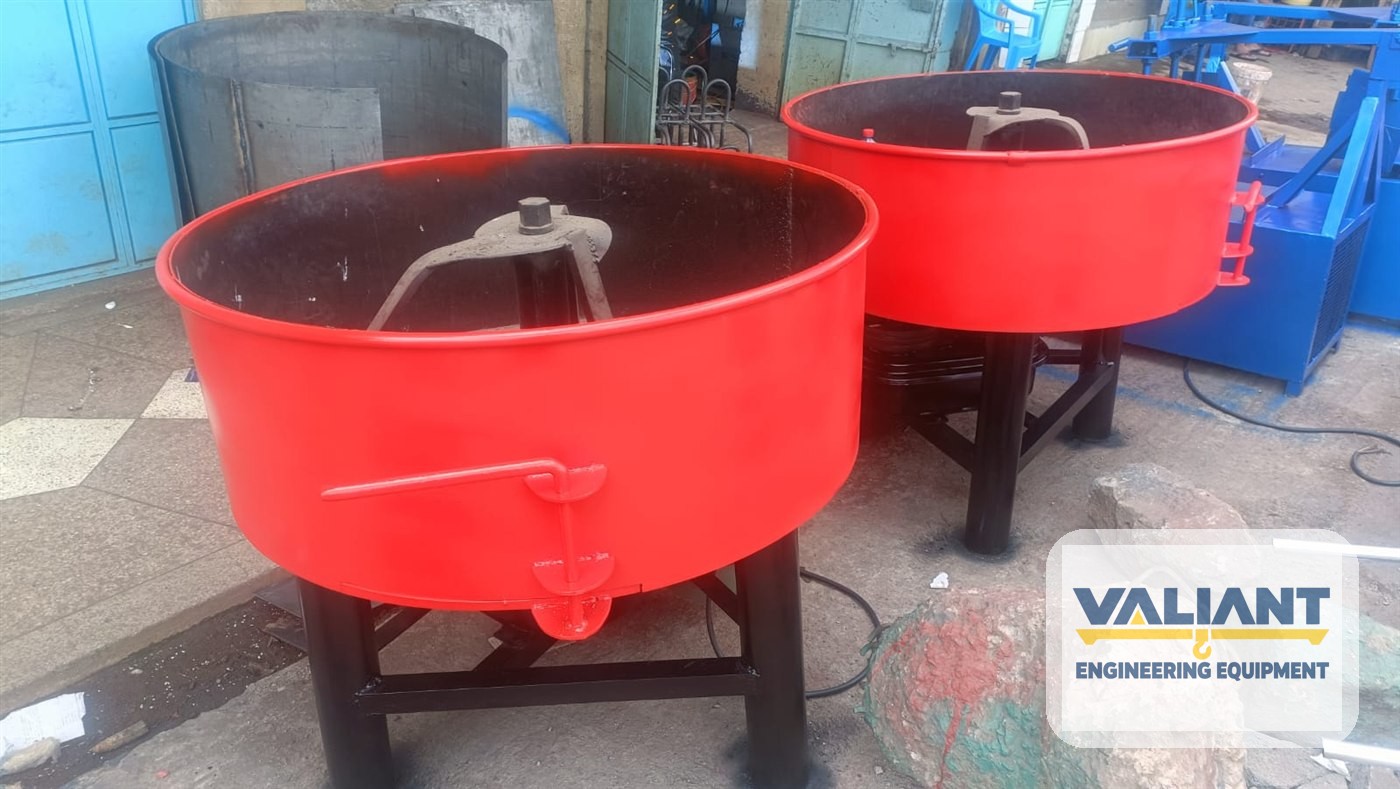
Good cabro needs every batch mixed the same way. Mixing by hand works at a very small scale, but it is slow and makes even colour hard to achieve. A Pan Mixer Machine (KES 250,000) combines cement, sand, aggregate and water consistently. If you plan to sell coloured blocks, the Color Pan Mixer (KES 220,000) and the Concrete Iron Oxide Mixer (KES 210,000) are built to blend pigment evenly so the colour does not streak. Larger yards use a Heavy Duty Pan Mixer Machine (KES 450,000).
4. A vibrating table
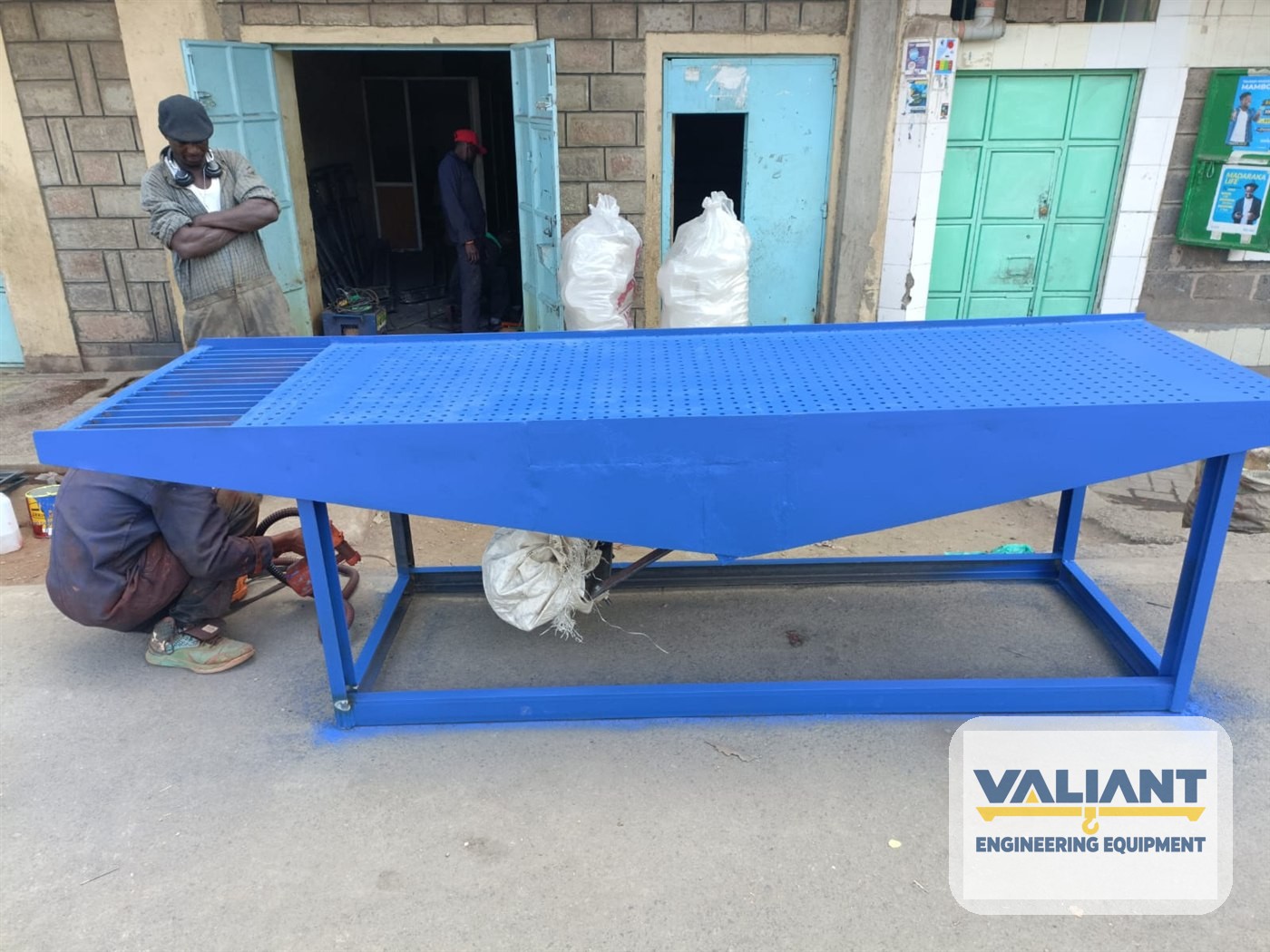
Once filled, the moulds go on a Vibrating Table Machine (KES 220,000). Vibration settles the concrete and releases trapped air, which helps prevent holes (honeycombing) and weak blocks. Ask us what power supply the table's motor needs so it matches the electricity at your site. A replacement Vibrating Table Motor (KES 45,000) is also available if you ever need one.
5. Pigments and finishing
Red, yellow, brown and black Concrete Iron Oxides (KES 10,000) are mixed into the concrete to colour the blocks. Measure the same amount of pigment for every batch, in the same way, so the colour stays consistent from one day's production to the next. Some customers also want a sealed, polished look on finished paving; Floor Polish Chemicals (KES 20,000) are made for that.
6. Cutting and fitting
Contractors who lay cabro need to cut blocks to fit along edges, kerbs and drains. If you also offer laying, a Cabro Cutter Machine (KES 55,000) gives cleaner, more accurate cuts than breaking blocks by hand. We also stock the Masalta Cabro Cutter Machine (KES 65,000) and the ACE Cabro Cutter Machine (KES 68,000).
7. Materials, space and curing
- Raw materials: cement, clean sand, fine aggregate or quarry dust, and clean water. Buy from consistent sources, because a change in sand or aggregate changes how the mix behaves.
- Shade and space: keep freshly made blocks out of direct sun and wind while they set, and plan room to stack them while they cure.
- Curing: keep blocks damp, for example by covering them and wetting them regularly, for several days after they come out of the moulds. Concrete that dries out too fast ends up weaker.
- Testing: cast a few sample cubes from your mix in a Concrete Cube Test Mold (KES 5,500) or Plastic Cube Test Moulds (KES 2,500 per mould) so a materials lab can test their strength when a contractor asks for proof of quality.
8. A simple starting checklist
- Choose two or three block shapes and buy enough moulds for your target daily output.
- Get a pan mixer that suits your batch size, with pigment mixing if you will sell coloured blocks.
- Get a vibrating table and confirm your power supply.
- Stock iron oxide pigments in the colours you will offer.
- Prepare a shaded area for setting and a stacking area for curing.
- Make sample blocks to show customers, and check which business permits your county requires before you start trading.
Every item above is listed with today's price on our moulds and machinery pages. You can see equipment at our Kariobangi North workshop in Nairobi, pay by M-Pesa, and ask us on WhatsApp about delivery to your town.